
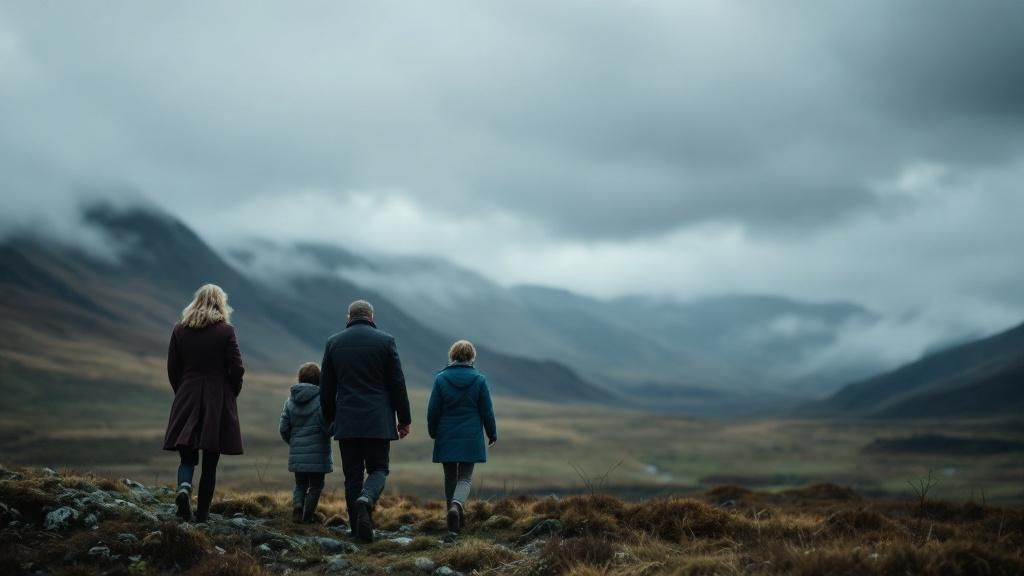
The BBC’s newest drama production is set to engage audiences with its unflinching portrayal of family relationships set against the rugged landscapes of Scotland’s countryside. This gripping latest programme explores the complex dynamics, hidden truths, and connections that characterise a multi-generational household navigating the difficulties of existence in isolation. Through skilled narrative craft and subtle acting, the series investigates how geographical remoteness shapes family bonds, uncovering the profound complexities that exist under the surface of seemingly ordinary lives in rural Scotland.
Character Development and Narrative Structure
The drama’s narrative structure is thoughtfully designed to reveal psychological layers through layered storytelling and gradual exposition. Rather than using blunt exposition, the series deploys understated conversation and pregnant pauses to express the psychological intricacies of each family member. This strategy allows watchers to discover character histories and drives naturally, creating a more absorbing and real viewing experience that echoes the slow-burning tensions characteristic of rural family life.
The writers have focused on character authenticity over overwrought narrative elements, guaranteeing that every action and reaction stems from genuine emotional conflict. Each central character is confronted by ethical complexity, stopping viewers from drawing straightforward conclusions about their choices. This nuanced character development raises the storytelling beyond conventional family narratives, encouraging audiences to contemplate the psychological complexities that shape human behaviour within isolated social groups.
The Primary Family Structure
At the heart of the narrative lies a multigenerational family whose connections form the emotional core of the programme. The family elders navigate the challenges of preserving their heritage whilst their grown-up offspring grapple with individual aspirations and familial obligations. This intergenerational tension offers fertile ground for examining themes of duty, sacrifice, and personal identity within the confines of Scottish rural society.
Each family member demonstrates different viewpoints formed through their age, lived experiences, and ambitions, creating inevitable friction points within the plot. The next generation especially represents the conflict between tradition and modernity, questioning established family norms and assumptions. These interpersonal tensions advance the story whilst keeping attention on the emotional and psychological aspects of relationships within families.
- The patriarch contends with outdated farming practices and shifting economic pressures.
- The matriarch functions as emotional pillar whilst carrying her own unaddressed personal sorrows.
- The eldest daughter balances caregiving duties with constrained professional goals.
- The son contemplates departing from the ancestral farm for opportunities in urban centres.
- The youngest member seeks autonomy whilst respecting deeply ingrained family loyalty.
Themes of Agricultural Communities and Community
Rural Scotland offers more than merely a picturesque backdrop for this drama; it functions as a vital character in itself, shaping the narrative’s psychological terrain. The series authentically captures the patterns of countryside existence, where seasons govern agricultural cycles and weather patterns influence daily routines. The isolation inherent to remote Scottish communities generates unique pressures on family units, compelling inhabitants to depend greatly on one another whilst simultaneously concealing deeply personal secrets that lie hidden beneath the surface of their close-knit community.
Community bonds in rural areas function differently from urban counterparts, fostering both deep mutual reliance and complicated conflicts. The drama shows how neighbours become broader family units, their lives deeply connected through generations of shared history, reciprocal assistance, and inevitable conflicts. This interconnectedness means that personal struggles lose their privacy; they spread across the entire community fabric. The series explores how these conventional countryside principles clash with contemporary standards, producing engaging friction that echo across the story and question characters’ fundamental beliefs about loyalty, responsibility, and self-determination.
Disconnection and Community
The geographical remoteness of Scotland’s countryside presents a paradox at the heart of the drama’s examination of interpersonal connections. Geographical separation from major cities compels characters to grapple with their emotions straightforwardly, without the diversions urban living brings. This enforced proximity within tight-knit communities heightens family dynamics, amplifying both affectionate bonds and destructive conflicts. The series demonstrates how isolation can deepen connections between family members, compelling them to speak more candidly and honestly about their feelings, fears, and aspirations within their restricted family space.
Conversely, the same remoteness that intensifies connections can create suffocation and desperation for escape. Characters contend with feeling trapped by location-based limitations and familial expectations, yearning for opportunities out of reach in their remote location. The drama sensitively portrays this tension between belonging and yearning, showing how some household members embrace their pastoral traditions whilst others harbour deep resentment towards it. Technology offers enticing views of alternative lifestyles, producing generational divides between those content with established rural life and the younger cohort imagining wider opportunities away from the Scottish region.
- Climatic conditions isolate communities during severe winter periods consistently.
- Scarce job prospects force younger generations towards urban migration.
- Shared agricultural heritage establish bonds extending across several generations of families.
- Village communication networks guarantee personal matters become public information rapidly.
- Self-reliance becomes essential virtue among residents remote from professional services.
Production Design and Scotland’s Backdrop
The production design of this BBC drama series proves essential in depicting the Scottish terrain with genuine visual narrative. The design team has meticulously crafted every detail of the location, from weathered stone cottages to expansive moors, making certain that the environment becomes a character in its own right. By utilising real locations throughout rural Scotland, the production conveys the authentic mood and remote beauty that profoundly influences the story of the family and emotional journey throughout the series.
Cinematography and set design function in concert to establish the series’ distinctive visual identity, with meticulous consideration of seasonal changes and daylight effects. The production designers have collaborated extensively with regional groups and historical advisors to ensure period-appropriate design. This commitment to authenticity surpasses mere aesthetics, grounding the family’s story in a authentic, inhabited setting that engages viewers and amplifies the emotional stakes present within the narrative.
True Landscapes and Cultural Heritage
The series’ dedication to authenticity runs throughout the cultural representation of rural Scottish communities, avoiding stereotypical portrayals in favour of nuanced, respectful storytelling. The production team conducted extensive research into regional customs, dialects, and social dynamics to ensure genuine representation. By collaborating with residents and cultural historians, the creators have crafted a rich tapestry of genuine elements that runs through every scene, from dialogue patterns to household practices, creating an engaging narrative that celebrates Scotland’s complex cultural heritage.
The landscape itself proves integral to grasping the family’s mental and affective state, with the dramatic scenery capturing psychological discord and interpersonal strains. Production designers identified particular settings that capture the remoteness, aesthetic appeal, and severity typical of rural Scottish life. These carefully chosen settings provide cinematic symbols the family’s struggles, whilst at the same time showcasing the fortitude and endurance present in remote communities. The dynamic between personal conflict and environmental backdrop produces a powerful visual narrative.
- Featured genuine Scottish settings for credible atmospheric storytelling and authentic visuals.
- Collaborated with community historians ensuring cultural authenticity and considerate community portrayal.
- Wove in regional dialects and cultural practices reflecting genuine rural Scottish traditions.
- Featured striking natural scenery representing family tensions and emotional and psychological conditions in the narrative.
- Employed seasonal variations creating visual symbolism for narrative advancement and character evolution.
Critical Reception and Public Response
The series has received widespread critical acclaim from critics across major British publications. Critics have commended the screenplay for its authenticity and emotional depth, with particular commendation directed towards how the narrative conveys the interconnectedness and solitude characteristic of life in rural Scotland. The acting have been described as nuanced and compelling, with the supporting players producing landmark performances that resonates with audiences looking for complex character-led narratives.
Audiences have engaged enthusiastically to the programme’s candid investigation of family dysfunction and reconciliation. Initial viewership figures have gone beyond what the BBC anticipated, with particularly strong engagement amongst younger audience segments through digital streaming services. The series has sparked considerable online discussion regarding its depiction of countryside populations, with viewers valuing its resistance to idealise or categorise Scottish countryside life, instead depicting genuine personal hardships within a particular regional setting.
Viewer Participation and Upcoming Series
Social media participation has demonstrated exceptional, with dedicated fan communities emerging across multiple platforms to analyse character development and plot developments. The hashtag campaign supporting the series has maintained trending status throughout the transmission period, showcasing continued audience interest. Viewer feedback has been largely favourable, with specific commendation for the measured narrative pacing and willingness to examine difficult household tensions without melodramatic resolution.
The BBC has already confirmed intentions regarding a follow-up season, responding to both positive reviews and audience demand. Production is scheduled to commence in the forthcoming months, with the production team dedicated to preserving the quality and authenticity that characterised the inaugural season. Speculation regarding character arcs and storyline progression has intensified amongst the fan community, guaranteeing continued anticipation and debate.
- Subsequent season approved after outstanding critical and commercial success.
- Digital streaming service audience numbers exceeded conventional television viewer figures considerably.
- Global broadcasting networks acquiring rights for international and European distribution.
- Awards recognition anticipated during upcoming broadcast industry ceremonies.
- Cast members receiving increased profile and career opportunities across the country.
